
Projects
NSF CAREER
Dr. Rahimi’s NSF CAREER project, ACT-GenAI, aims to advance creative thinking, physics learning, and AI literacy among students in grades 7–9. The project develops and studies Little c, a multimodal generative AI coach embedded in Physics Playground, where students explore physics through creative game-level design. Through co-design with students and teachers, design-based research, and evidence-centered design, the project investigates how Little c can assess creativity and provide personalized support for learning. The goal is to help students develop their own ideas, deepen their physics understanding, and learn to collaborate thoughtfully and responsibly with AI.
ProductiveMath: AI-Enabled Small Group Math Learning
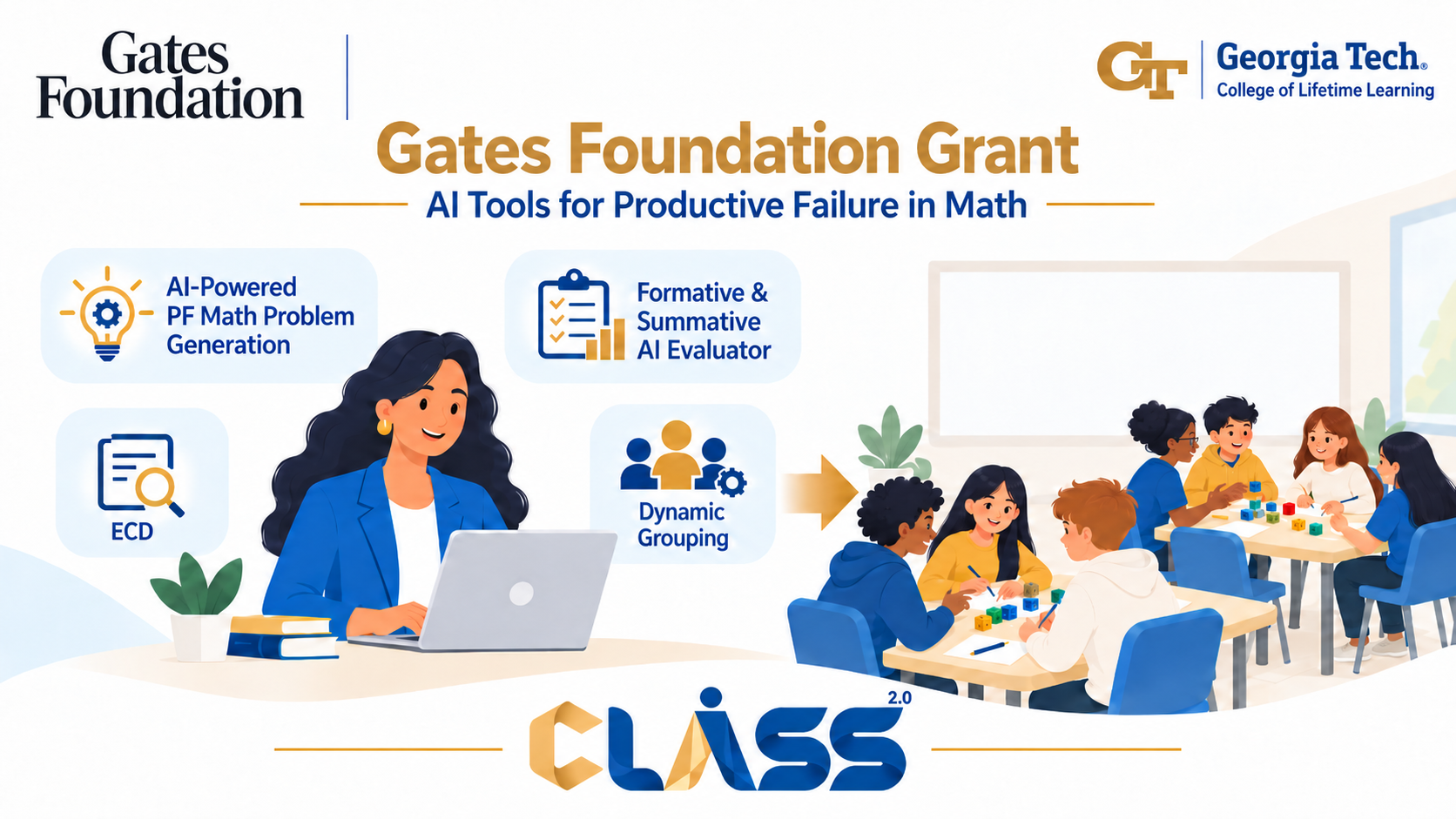
ProductiveMath is a Gates Foundation–funded project developing AI tools to help teachers design, evaluate, and improve mathematics problems for Productive Failure and small-group learning. Using Evidence-Centered Design, the project focuses on AI evaluators, context-aware problem generation, and dynamic grouping to support teacher decision-making and create more effective, classroom-relevant learning experiences.
ProductiveMath
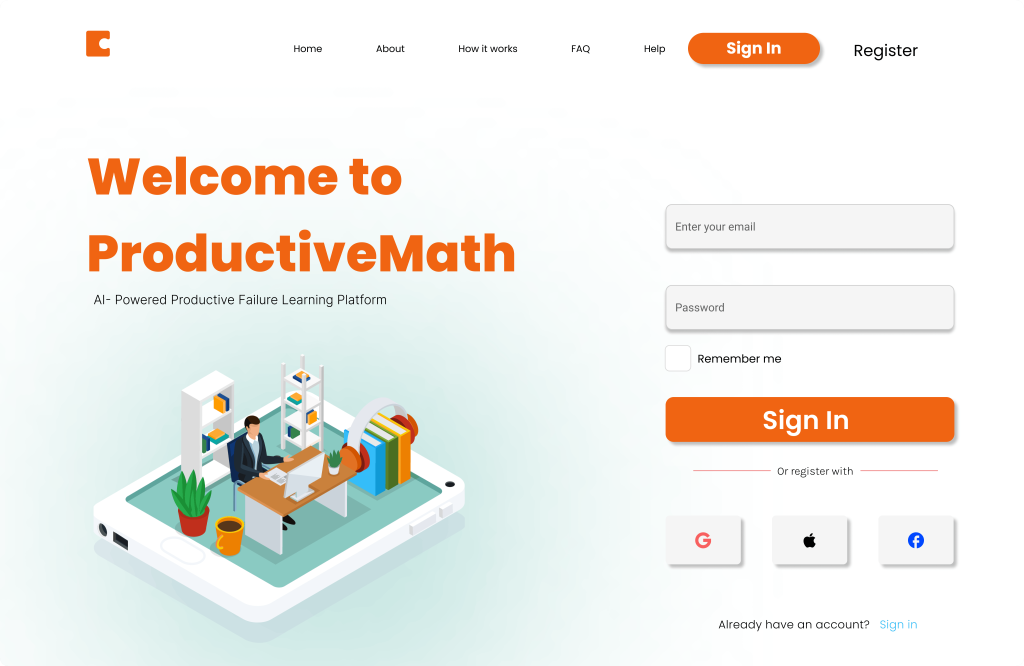
ProductiveMath, an AI-powered platform that aids Productive Failure problem generation. ProductiveMath is supported by over $451,563 in funding from the Gates Foundation.
Creative
Creative explores large multimodal models (e.g., ChatGPT-4o) to automate creativity assessment and game-level generation in the context of Physics Playground—training AI to assess the creativity of human-authored levels.

Storiza
Storiza is a reading app that leverages children’s creativity to facilitate reading practice and improve ORF. Developed for the NSF/Digital Promise VITAL Prize Challenge.
Physics Playground
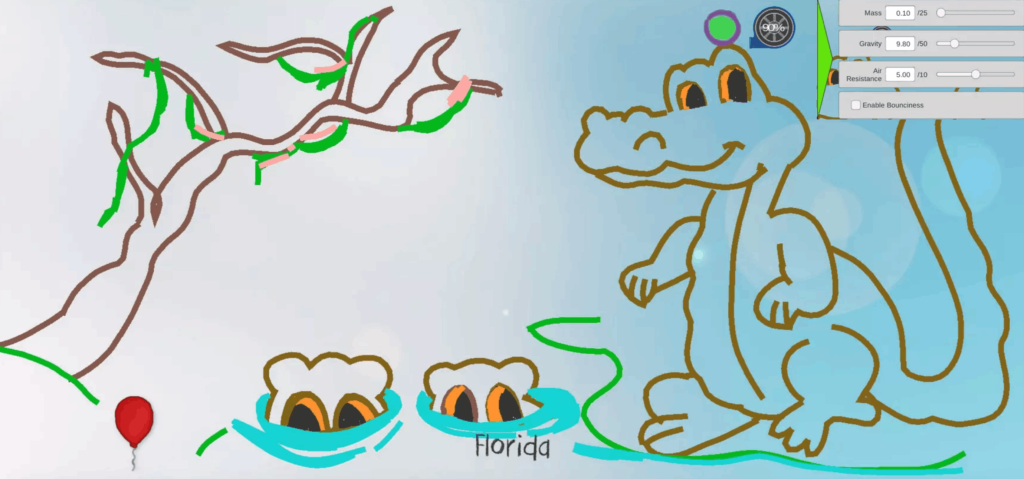
A 2D web-based game designed to teach conceptual physics to 8th–9th graders. Supported by over $4 million in funding from the NSF.
EarSketch
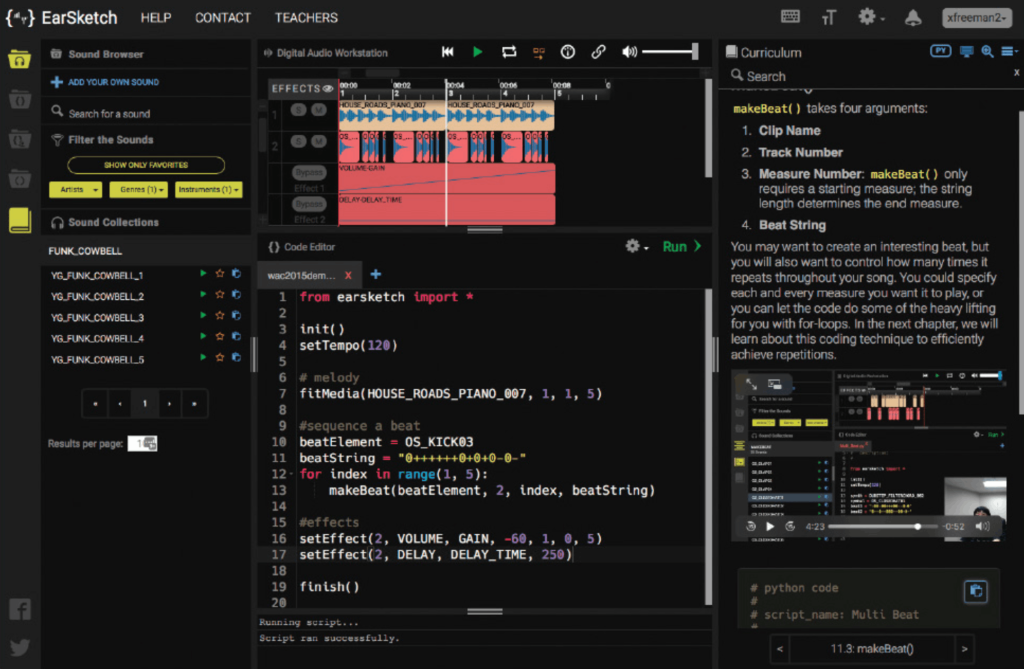
A free web-based platform that helps students learn core CS topics through music and music technology in a fun, engaging environment. Supported by the NSF and several partners.